
Cadet vs Regular Golf Gloves: Sizing Mix for Pro Shops

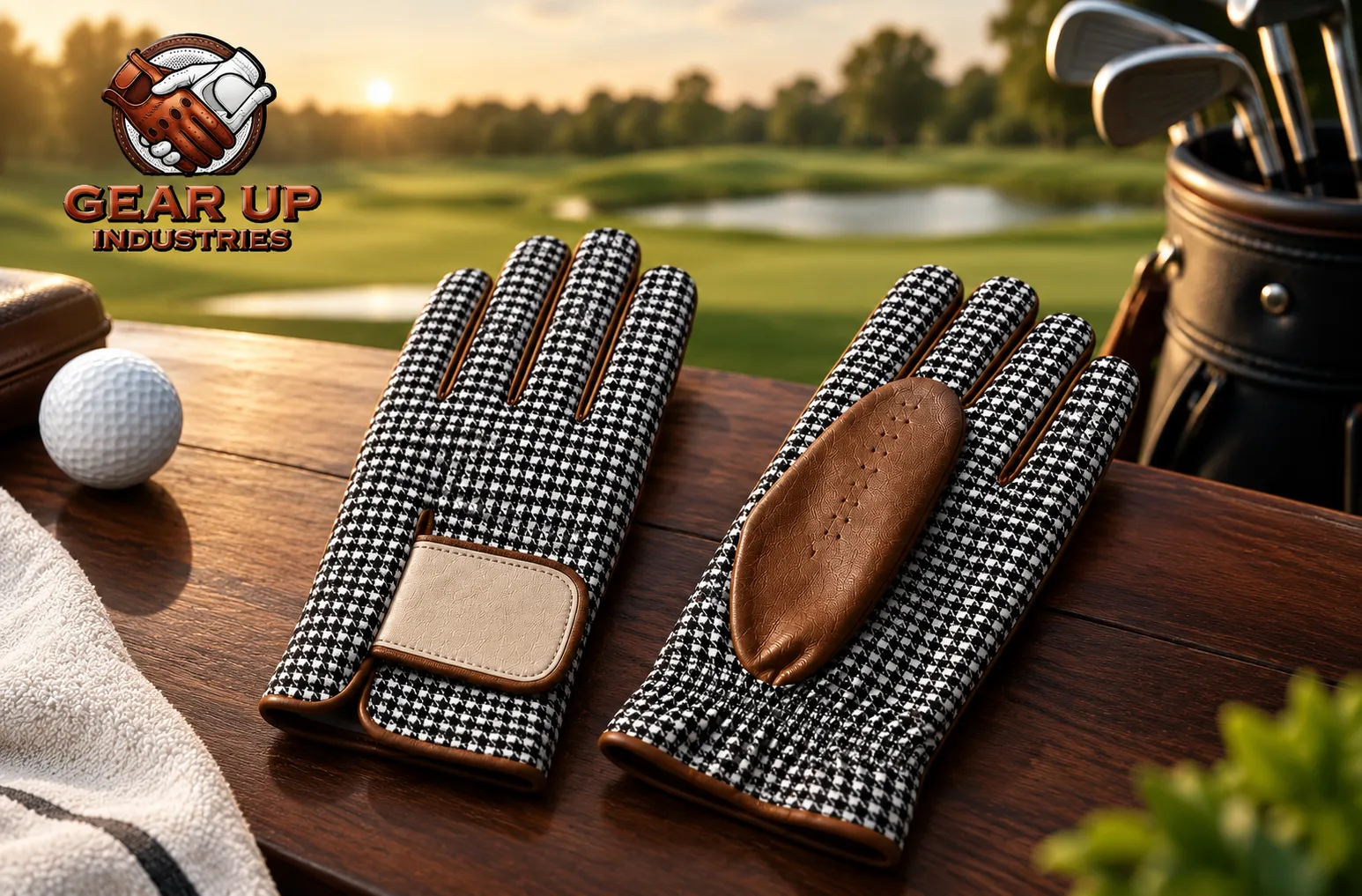
Golf gloves are one of the most frequently replaced items in a pro shop, and one of the easiest to get wrong on the shelf. Stock the wrong sizes and the right customer leaves empty-handed, while slow sizes sit in drawers for a season. Cadet sizing adds another layer: many golfers have never heard the term, yet some of them will only find a good fit in a cadet glove.
This guide is for pro shops, golf clubs, academies, and golf retailers in the USA, UK, Europe, UAE, Canada, and Australia, as well as brands developing private label gloves for them. It explains cadet vs regular golf gloves, how to read a golf glove size chart, and how to plan a sizing mix that matches the golfers you actually serve.
What Is a Cadet Golf Glove?
A cadet golf glove is cut for a different hand proportion than a regular glove of the same size label. Cadet is not a smaller size. A cadet medium and a regular medium are aimed at golfers with a similar overall hand size but a different balance between palm and fingers.Cadet vs Regular Golf Glove: The Fit Difference
Most brands describe cadet gloves as having shorter fingers and a wider palm than their regular gloves. The classic cadet customer is a golfer whose regular glove leaves empty material at the fingertips but feels tight across the palm. A golfer with longer fingers and a narrower palm usually fits a regular glove better.
Why Cadet Definitions Vary Between Brands
Not every brand defines cadet in exactly the same way. Some emphasize shorter fingers, others emphasize a wider palm at the same finger length, and each brand sets the exact difference through its own pattern. For a pro shop stocking several brands, that means a golfer who is a cadet medium in one brand may be a regular medium in another. Always fit from the brand’s own chart, and expect some trial and error at the counter.
Reading a Golf Glove Size Chart
Hand Length and Circumference
Most golf glove size charts start from two measurements:
- Hand length: from the first wrist crease to the tip of the middle finger.
- Hand width or circumference: measured around the palm at the knuckles, without the thumb.
Charts give these in inches, centimeters, or both. US customers usually think in inches, while UK, European, and Australian customers are often more comfortable with centimeters, so a chart that shows both helps every customer. See the size chart on our leather golf gloves page for an example of how a factory presents men’s and women’s sizes.
Where Palm Width and Finger Length Fit In
The size label, such as S, M, ML, L, or XL, usually follows hand length and circumference. The choice between cadet and regular then depends on finger length relative to palm width. Some brands publish separate charts for regular and cadet sizes; others publish one chart with a note. Our men’s vs women’s golf glove sizing guide explains measuring and size labels in more detail.
How Poor Glove Fit Shows Up at the Counter
Staff can spot fit problems quickly when a golfer tries on a glove:
- Material bunching or folding at the fingertips suggests the fingers are too long, often a cadet sign.
- Tightness across the palm or pulling at the closure suggests the palm is too narrow.
- A closure tab that fully covers its fastening area leaves no room to tighten as the leather settles.
- Wrinkling across the back of the hand suggests the glove is too large overall.
A good glove fit feels snug across the palm and fingers without bunching. Having the golfer make a fist and grip a club is the fastest check. Our guide to how golf gloves improve grip explains why fit and grip are so closely linked.
Planning the Sizing Mix for a Pro Shop
Start With Your Own Sales Data
There is no universal size ratio that suits every shop. A club with a strong junior program, a resort course with visiting golfers, and a city-center golf store will all sell different mixes. Your own sales history is the most reliable starting point.
Track Size, Hand, and Fit Separately
Record every sale by size, hand (left or right), and fit (regular or cadet), not just by product name. Combined figures hide the patterns that matter, such as a steady demand for cadet medium left-hand gloves. It also helps to note whether staff fitted the golfer or the golfer chose alone.
Reading Stockouts and Slow Sellers
Note the sizes customers asked for but could not find, not just the sizes you sold, because lost sales don’t show up in sales reports. Sizes that sit unsold for a full season are candidates to reduce or drop.
Building a Simple Reorder Sheet
A basic sheet with these columns turns that data into decisions:
| Size | Hand | Fit | Sold last period | Requested but out of stock | On hand | Reorder quantity |
| e.g., M | Left | Cadet | — | — | — | — |
Review it before every reorder, and adjust the mix gradually rather than in large jumps.
Hand Orientation: Left-Hand Gloves Lead
Right-handed golfers usually wear a glove on the left hand, and left-handed golfers on the right. Because most golfers are right-handed, left-hand gloves typically make up most of a pro shop’s stock. Keep a smaller selection of right-hand gloves so left-handed golfers are not turned away, and remember that some golfers prefer to wear two gloves.
Where Cadet Belongs in the Mix
Many shops cover the core men’s regular sizes first, then add cadet sizes where fitting requests show demand. Starting with a narrower cadet range, such as the middle sizes, and widening it based on actual requests keeps cadet stock from tying up cash while still serving those customers.
Women’s and Junior Sizes
Women’s gloves follow their own size charts and proportions, and cadet options are more common in men’s ranges than in women’s. Junior sizing depends heavily on whether your club runs a junior program. Our guide to custom golf gloves for clubs and academies covers planning for mixed groups.
Seasonality and Replenishment
Climate shapes how often golfers replace gloves:
- Hot markets: In the UAE, much of Australia, and the southern US, golf runs year-round and sweat shortens glove life, so steady replenishment works better than large seasonal orders.
- Short-season markets: In Canada and the northern US, shops often place a larger preseason order and reorder carefully.
- Wet markets: In the UK, frequent wet weather means many golfers carry spare gloves, which supports multi-glove purchases.
Leather and All-Weather Gloves
The sizing mix should also cover material. Leather gloves are the core for most golfers who want feel, while synthetic or all-weather gloves can suit players in wet conditions, such as much of the UK and northern Europe, or those who replace gloves often. Track cadet and regular demand separately for each material, because the split may differ. Our comparison of leather vs synthetic gloves explains the material trade-offs.
Private Label Cadet Gloves: What to Specify
Clubs and retailers launching their own branded gloves should treat cadet as a separate pattern, not just a label change. Specify:
- Separate cadet and regular measurements for each size, in inches and centimeters.
- Separate grading for men’s and women’s sizes where both are offered.
- Left- and right-hand quantities for each size and fit.
- Clear “Cadet” marking on the glove label and packaging.
- A fitting sample set in each size and fit for staff to use with customers.
Ask the factory to sample cadet and regular gloves in the same size so you can compare them side by side before approval. Our wholesale custom leather golf gloves sourcing guide covers the wider sourcing process.
Merchandising Cadet and Regular Gloves
Many customers do not know what cadet means, so label it clearly on the hook or drawer, and keep cadet and regular stock separated by size. A small card explaining “Cadet: shorter fingers, wider palm” helps golfers choose for themselves, and fitting samples let staff confirm the choice before the packaging is opened.
Training Staff to Fit Cadet Gloves
Staff confidence matters as much as stock. Show the team how to spot fingertip bunching and palm tightness, and encourage them to offer a cadet glove whenever a regular glove fits the palm but not the fingers. A golfer who finds a better fit in a cadet glove is more likely to come back to the same shop for the next one.
Working With Gearup Industries
Gearup Industries is a leather gloves manufacturer in Sialkot producing men’s and women’s leather golf gloves for private label and OEM buyers, with logo branding, custom colors, sizes, and packaging. Sampling is available before bulk orders, and MOQs start from 100 pairs. When you request a quote, share your size breakdown by hand and fit.
Frequently Asked Questions
Is a cadet glove the same as a small glove?
No. Cadet describes hand proportion, not overall size. Cadet gloves come in a range of sizes, just like regular gloves.
What does cadet XL mean?
It is a large glove cut with cadet proportions, for golfers with larger hands whose fingers are short relative to their palm width.
Should a pro shop stock both cadet and regular in every size?
Not usually at the start. Cover the core regular sizes first, add a focused cadet range, and expand where sales and fitting requests justify it.
Do women’s golf gloves come in cadet sizes?
Some brands offer them, but cadet options are more common in men’s ranges. Check your customer base before adding women’s cadet stock.
Can a cadet golfer wear a regular glove?
They can, but the fingertips may bunch and the palm may feel tight. Offering both fits helps more golfers find a comfortable glove.
Final Thoughts
Cadet vs regular golf gloves is a question of proportion, not size, and a pro shop that understands the difference can fit more golfers and waste less stock. Fit from each brand’s own chart, track sales by size, hand, and fit, and build the cadet range gradually based on real demand. When you are ready to develop a private label golf glove range with the right size mix, request samples or a quote.